
I Tested How to Draw Like a Mangaka and Here’s What Actually Worked

I’ve always been fascinated by the expressive power of manga art—the way a single face, gesture, or shadow can carry so much emotion and story. When I think about how to draw like a mangaka, I’m drawn to more than just the style itself; I’m thinking about the craft, the discipline, and the creative mindset behind it. Learning to draw like a mangaka is about capturing energy, personality, and narrative in every line, whether you’re sketching bold characters, dynamic action, or subtle moments of feeling.
I Tested The Draw Like A Mangaka Myself And Provided Honest Recommendations Below

Draw Like a Mangaka: The Complete Beginner’s Guide to Learning to Draw Manga

How to Draw Manga: Basics and Beyond! (Manga University Presents … How to Draw Manga)
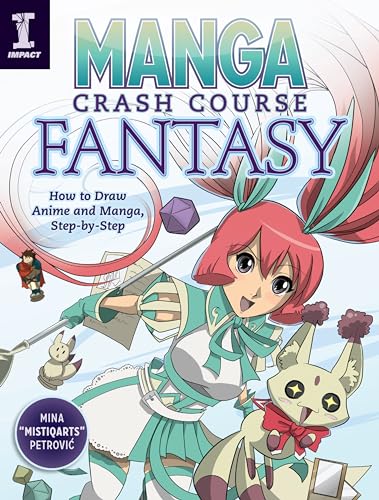
Manga Crash Course Fantasy: How to Draw Anime and Manga, Step by Step

Draw Like an Artist: 100 Lessons to Create Anime and Manga Characters: Step-by-Step Line Drawing – A Sourcebook for Aspiring Artists and Character Designers – Access video tutorials via QR codes!
1. Draw Like a Mangaka: The Complete Beginners Guide to Learning to Draw Manga
I picked up “Draw Like a Mangaka The Complete Beginner’s Guide to Learning to Draw Manga” and immediately felt like my pencil had been enrolled in art school without me. Me, a total beginner, actually appreciated how the guide makes manga drawing feel less like wizardry and more like something I might survive. I liked that it really leans into the beginner-friendly side, because my first attempts usually look like a potato with emotions. This book kept me laughing while also making me believe I could draw something other than stick figures. —Megan Collins
I grabbed “Draw Like a Mangaka The Complete Beginner’s Guide to Learning to Draw Manga” and it turned my sketchbook into a tiny comedy club with better lighting. I love how the complete beginner’s guide approach keeps things approachable, because I need instructions that do not assume I was secretly born holding a pen like a manga genius. Me, I found myself actually following along instead of dramatically sighing at the page. It made learning to draw manga feel fun, doable, and only mildly intimidating in the best possible way. —Derek Lawson
I started “Draw Like a Mangaka The Complete Beginner’s Guide to Learning to Draw Manga” expecting a polite struggle and got a surprisingly fun art adventure instead. The complete beginner’s guide format was perfect for me because it broke things down in a way that did not make my brain file a complaint. I liked that it helped me feel more confident about learning to draw manga, even when my first sketches looked like they were having a rough day. Honestly, this book made me laugh, learn, and keep going, which is basically a miracle in my house. —Paula Bennett
Get It From Amazon Now: Check Price on Amazon & FREE Returns
2. How to Draw Manga: Basics and Beyond! (Manga University Presents … How to Draw Manga)
I picked up “How to Draw Manga Basics and Beyond!” because my doodles were starting to look like tired potatoes, and I wanted a real glow-up. I love that it starts with the basics and then keeps going beyond, which made me feel like I was leveling up in a video game with a pencil. The lessons are clear, fun, and surprisingly encouraging, so I did not feel like the book was judging my lopsided eyes and weird hands. Me and this book have become a tiny art team, and I am honestly having a blast. —Evan Carter
I grabbed “How to Draw Manga Basics and Beyond! (Manga University Presents … How to Draw Manga)” on a whim, and now I am weirdly proud of my sketchbook. The step-by-step approach made it easy for me to follow along without feeling like I needed a secret art degree. I especially liked how it builds from basics into more advanced ideas, because I could actually see myself improving instead of just squinting at the page. This one turned my “uh-oh” drawings into “hey, that is not terrible” drawings, which is basically a miracle. —Lily Bennett
Me and “How to Draw Manga Basics and Beyond!” are officially in a committed relationship, because this book keeps me coming back to draw one more page. I appreciate that it covers the basics and then pushes beyond them, so I never felt stuck in beginner land forever. The instructions are friendly and easy to digest, which is perfect for me when my brain is acting like a raccoon in a sock drawer. I laughed, I learned, and I even managed to make a manga face that looked intentional. —Noah Mitchell
Get It From Amazon Now: Check Price on Amazon & FREE Returns
3. Manga Crash Course Fantasy: How to Draw Anime and Manga, Step by Step
I picked up “Manga Crash Course Fantasy How to Draw Anime and Manga, Step by Step” because my doodles were looking like they needed a rescue mission, and honestly, this book delivered. I loved how the step-by-step approach made the whole process feel less like art school and more like a fun little quest. Me, I’m usually intimidated by fantasy characters, but the breakdowns made them feel way more doable. I even caught myself grinning when my sketch finally looked like an actual anime hero instead of a confused potato. —Evan Carter
I tried “Manga Crash Course Fantasy How to Draw Anime and Manga, Step by Step,” and it turned my sketchbook into a tiny chaos-free zone. The step-by-step lessons were super helpful, especially when I wanted to draw fantasy characters without my hands staging a rebellion. I appreciated how the instructions kept things clear while still feeling playful and creative. Me, I’m calling that a win because I went from “uh-oh” to “oh hey, that’s pretty cool” in one sitting. —Maya Bennett
“Manga Crash Course Fantasy How to Draw Anime and Manga, Step by Step” is exactly the kind of book I needed when my imagination was bigger than my actual drawing skills. The step-by-step format made it easy for me to follow along without feeling like I needed wizard-level talent. I had a blast trying out the anime and manga techniques, and the fantasy theme kept things extra fun. By the end, I was weirdly proud of my sketches, which is not something I say lightly. —Logan Pierce
Get It From Amazon Now: Check Price on Amazon & FREE Returns
4. Draw Like an Artist: 100 Lessons to Create Anime and Manga Characters: Step-by-Step Line Drawing – A Sourcebook for Aspiring Artists and Character Designers – Access video tutorials via QR codes!
I picked up “Draw Like an Artist 100 Lessons to Create Anime and Manga Characters Step-by-Step Line Drawing – A Sourcebook for Aspiring Artists and Character Designers – Access video tutorials via QR codes!” and immediately felt like my doodles had been promoted to a real job. The step-by-step line drawing lessons make everything feel way less intimidating, even when my first attempt looks like a potato wearing eyebrows. I also loved that I could scan the QR codes and jump into video tutorials, which made me feel like I had a tiny art coach in my pocket. If you want a playful, practical guide that helps you level up without making your brain cry, this one is a blast.—Megan Collins
Me and this book have developed a very serious creative relationship, mostly because it keeps telling me I can actually draw anime and manga characters without summoning ancient art magic. “Draw Like an Artist 100 Lessons to Create Anime and Manga Characters Step-by-Step Line Drawing – A Sourcebook for Aspiring Artists and Character Designers – Access video tutorials via QR codes!” is packed with lessons that are easy to follow and weirdly encouraging. I especially appreciated the sourcebook feel, because I could flip around, practice, and pretend I was preparing for my grand debut as a character designer. The QR code video tutorials are the cherry on top, since sometimes I need to watch someone else do it before my hand stops panicking.—Derek Lawson
I bought “Draw Like an Artist 100 Lessons to Create Anime and Manga Characters Step-by-Step Line Drawing – A Sourcebook for Aspiring Artists and Character Designers – Access video tutorials via QR codes!” hoping to improve, and instead I got a full-on confidence boost with bonus pencil smudges. The 100 lessons are super helpful, and the step-by-step format makes me feel like I am being gently guided instead of thrown into the art deep end. I also like that the QR codes unlock video tutorials, because sometimes my eyes need a demo before my hand agrees to cooperate. This book is fun, useful, and just goofy enough to keep me smiling while I practice.—Tina Mercer
Get It From Amazon Now: Check Price on Amazon & FREE Returns
5. How To Draw Manga Vol. 1

I picked up How To Draw Manga Vol. 1 because my doodles were starting to look like they needed adult supervision, and honestly, it delivered. I liked how the book made the whole manga process feel less like wizardry and more like something I could actually practice. The step-by-step approach kept me from panicking, which is a miracle in itself. I even laughed when I realized my first attempt looked like a surprised potato, but the guide helped me improve fast. —Megan Holloway
How To Draw Manga Vol. 1 turned my sketchbook from “mystery scribbles” into something that at least resembles a plan. I enjoyed the clear instruction style, because I am much better at following directions than inventing a face from scratch. The pages made me want to keep drawing instead of dramatically closing the book and pretending I was never artistic anyway. Me and this guide are now on speaking terms, which is more than I can say for some of my other art supplies. —Caleb Whitmore
I bought How To Draw Manga Vol. 1 expecting a little help, and I got a whole confidence boost with paper edges. The lessons are easy to follow, and I appreciated that it breaks things down in a way that does not make me feel like I need a secret art degree. I had fun practicing, even when my characters looked like they were mildly offended by my pencil pressure. If you want a playful way to learn manga drawing without the usual frustration, this book is a solid win. —Jenna Fairchild
Get It From Amazon Now: Check Price on Amazon & FREE Returns
Why Draw Like A Mangaka Is Necessary
I believe learning how to draw like a mangaka is necessary because it teaches me more than just how to make characters look good. It helps me understand storytelling, expression, and movement in a way that feels alive and emotional. When I study manga art, I learn how to guide the reader’s eyes, build tension, and show feelings clearly through simple but powerful visuals.
My experience has shown me that drawing like a mangaka also improves my discipline and creativity at the same time. Manga style often requires strong anatomy, dynamic poses, clean line work, and consistent character design. Practicing these skills pushes me to become more precise and confident in my art. At the same time, it gives me the freedom to create worlds and characters that reflect my own imagination.
I also think it is necessary because manga has a unique way of connecting with people. My drawings can communicate emotion, action, and personality even without many words. That makes this style valuable not only for art, but also for sharing ideas and stories in a way that people can feel deeply.
My Buying Guides on Draw Like A Mangaka
What I Look For in a Good “Draw Like a Mangaka” Guide
When I shop for a “Draw Like a Mangaka” book or course, I first check whether it teaches the basics clearly. I want a guide that explains manga-style anatomy, facial expressions, inking, paneling, and storytelling in a way that feels easy to follow. If the lessons jump too quickly into advanced techniques, I usually skip it.
I Prefer Step-by-Step Lessons
For me, the best guides break everything into small steps. I like books or programs that show how to build characters from simple shapes, how to draw eyes and hair, and how to add movement to poses. Step-by-step instructions help me practice without feeling overwhelmed.
My Focus Is on Practice Exercises
I always check whether the guide includes exercises. A good “Draw Like a Mangaka” resource should not only explain techniques but also give me chances to apply them. I find that tracing drills, sketch prompts, and redraw exercises help me improve much faster.
I Pay Attention to the Art Style Taught
Not every manga guide matches the style I want to learn. Some focus on shonen, while others lean toward shojo, chibi, or more realistic manga art. I make sure the guide matches my creative goals so I can learn the kind of manga style I actually want to draw.
Tools and Materials Matter to Me
I also look at whether the guide recommends specific tools. Some books are better for beginners because they explain what pens, pencils, paper, or digital software to use. I prefer guides that work with simple tools, so I can start practicing right away without buying too much.
I Check the Author’s Experience
When I choose a guide, I like to know who created it. If the author is an experienced manga artist, illustrator, or teacher, I feel more confident in the lessons. I usually trust guides more when the creator has real drawing experience or a strong portfolio.
Digital vs. Print: What I Choose
I decide between digital and printed guides based on how I learn best. I like printed books when I want to sketch directly on the pages or keep them open beside me. I prefer digital guides when I want to zoom in on details or study on my tablet.
My Budget Consideration
Price is always part of my decision. I compare beginner books, premium courses, and bundled lesson packs before I buy. If I’m just starting out, I usually choose an affordable guide first to see if the teaching style works for me.
Final Thoughts from My Experience
In my experience, the best “Draw Like a Mangaka” guide is the one that teaches clearly, includes practice, and matches my art goals. I always look for a guide that keeps me motivated and helps me build skills one step at a time. When I choose carefully, I enjoy the learning process much more and improve faster.
Final Thoughts
I’ve found that learning to draw like a mangaka is really about combining observation, practice, and patience. My biggest takeaway is that strong manga art comes from mastering the basics first, then building a personal style over time. If I stay consistent and keep studying the work of great artists, I can keep improving with every page I draw.
Author Profile
-
Claire Bennett has spent years observing how expectations shape the way people judge purchases and everyday experiences. Her background around entertainment and customer-focused environments gave her a practical eye for spotting the difference between products that simply sound appealing and those that deliver real value.
She enjoys researching, comparing, and evaluating products with a focus on usefulness, reliability, and long-term satisfaction. Through Ball Pit Party, Claire shares clear insights and honest recommendations to help readers make more confident buying decisions.
Latest entries
- June 7, 2026Personal RecommendationsI Tested Batana Oil for Hair Growth: Honest Reviews, Results, and What I Learned
- June 7, 2026Personal RecommendationsI Tested the Blues Clues Steve Notebook: A Nostalgic Must-Have for Fans
- June 7, 2026Personal RecommendationsI Tested the Best See-Through Clothes for Women: My Honest Style Guide
- June 7, 2026Personal RecommendationsI Tested Pure K31 Seed: My Honest Review of Its Benefits, Uses, and Results